
As we grow older, our feet also change. They may become wider, more sensitive, or even painful. That’s why wearing the right shoes becomes very important for old people. Comfortable and supportive footwear can prevent falls, reduce pain, and make daily life much easier.
In this article, we will explain how to choose the right shoes for elderly people. We’ll cover what features to look for and how to find the perfect pair for walking, traveling, or relaxing at home.
Why Old People Need Special Shoes
Many seniors face problems like joint pain, swollen feet, or poor balance. These issues can make walking hard and risky. Regular shoes might not give the support they need. This is why special shoes for old people are designed to:
- Protect their feet
- Give extra support
- Prevent falls
- Make walking easy and safe
Choosing the right footwear can improve an elderly person’s quality of life. Good shoes can also reduce the risk of foot problems like bunions, corns, or blisters.
1. Comfortable Fit Is a Must
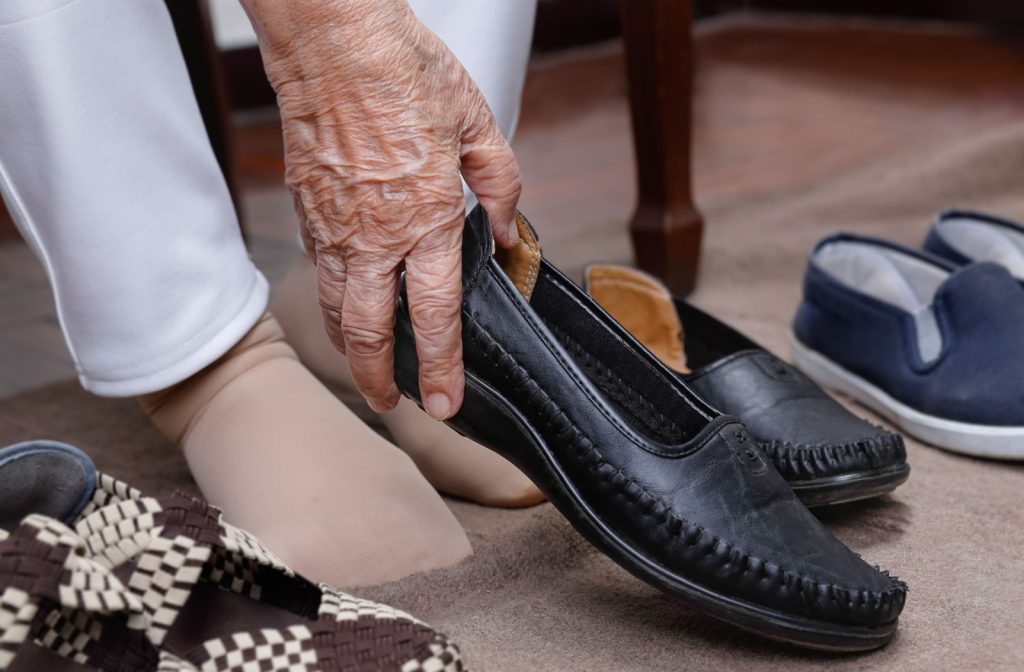
Comfort should be the first priority when buying shoes for old people. If the shoes are too tight, they can hurt. If they are too loose, they can cause slips or falls.
Tips for getting the perfect fit:
- Choose shoes with a wide toe box. This gives toes enough room to move.
- Pick shoes with soft inner padding.
- Avoid shoes with high heels or pointed toes.
- Look for adjustable straps or Velcro to secure the fit.
Also, try shoes on at the end of the day when the feet are a bit swollen. This helps ensure a better fit.
2. Proper Arch and Heel Support
Old people often suffer from flat feet or weak arches. Without proper support, walking can be painful. That’s why it’s important to choose shoes that support both the arch and heel.
What to look for:
- Contoured insoles that match the shape of the foot
- Cushioned heels to reduce pressure
- Shock-absorbing soles to prevent strain on the legs and knees
Shoes that support the arch can help with balance and reduce joint pain. This makes walking or standing for long periods much easier.
3. Lightweight and Easy to Wear
Heavy shoes can tire elderly legs quickly. Lightweight shoes make walking easier and prevent foot fatigue. Look for shoes that feel light but still give good support.
Velcro closures or slip-on styles are great because they are easy to put on and take off. Old people may have trouble bending or using their hands, so avoid shoes with difficult laces.
4. Non-Slip Soles for Safety
Falls are a big danger for older people. A simple slip can cause serious injuries. That’s why non-slip soles are very important.
Check for:
- Rubber soles with grip patterns
- Shoes that offer good traction on wet or smooth surfaces
- Flat, stable soles without high heels or unstable platforms
If the shoes are mainly for indoor use, make sure the soles are soft enough for comfort but still offer grip.
5. Breathable Material Matters
Older feet can sweat too, and damp shoes can cause infections or discomfort. Breathable shoes help keep feet dry and cool, especially in warm countries like Malaysia or Singapore.
Choose materials like
- Mesh fabric
- Soft leather
- Knit uppers
These materials are gentle on the skin and reduce odor or irritation.
6. Shoes for Traveling Seniors
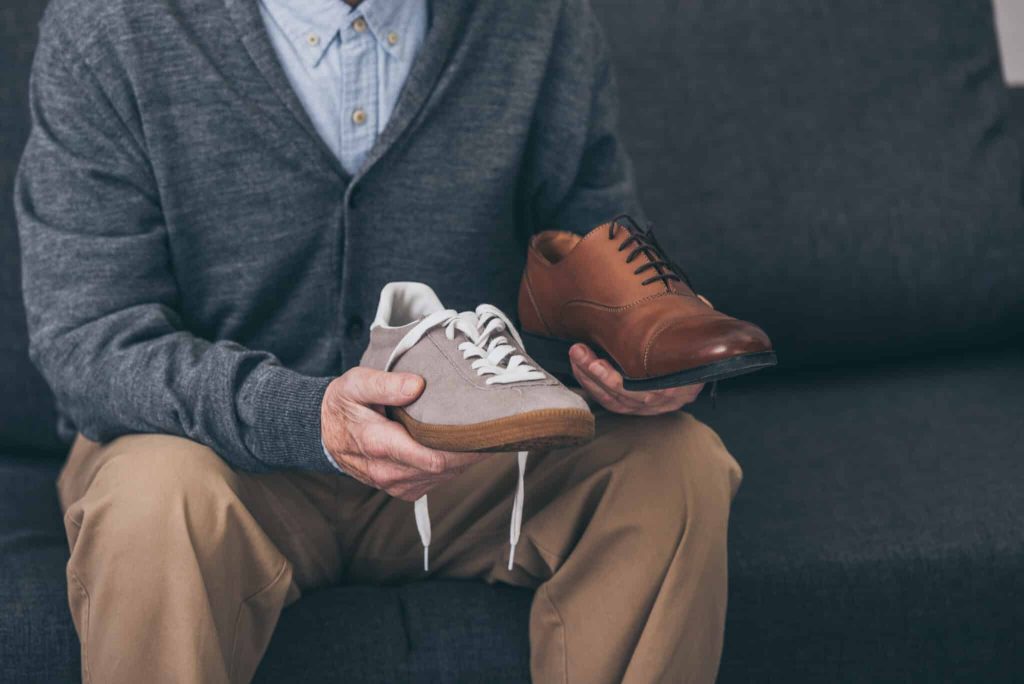
If you are looking for the best traveling shoes in Malaysia for older people, comfort and support are key. Whether it’s for long airport walks or sightseeing tours, the shoes should:
- Be light and flexible
- Have good cushioning for long walks
- Offer strong heel and arch support
- Be easy to wear and remove during travel
Many travelers prefer slip-on walking shoes or breathable walking sandals with good grip.
7. Suitable Shoes for Everyday Use
Some old people prefer to stay active around the house or take short walks. In such cases, casual walking shoes or soft slippers with grip soles are ideal.
Look for:
- Soft cushioning
- Anti-slip soles
- Open designs for easy movement
- Adjustable features for swelling
Brands like People Footwear Singapore offer modern styles with both comfort and function. Their shoes are trendy but still suitable for older people due to their light weight and good grip.
8. Common Foot Problems in Seniors
Old people often face specific foot conditions. When choosing shoes, consider these issues and find a pair that helps rather than worsens the problem.
Common problems:
- Swollen feet – choose stretchable uppers and wide sizes
- Bunions or corns—pick soft, roomy shoes with no hard seams
- Flat feet—need arch support and firm soles
- Diabetes – choose seamless, breathable shoes to protect sensitive skin
Shoes for old people should never rub or pinch. Even a small blister can lead to bigger problems if not treated early.
9. When to Replace Old Shoes
Even the best shoes wear out. Wearing worn-out shoes can harm the feet and lead to accidents.
Signs it’s time to get a new pair:
- Worn-out soles with no grip
- Inner padding feels flat
- Visible damage to the shoe body
- Shoes feel uncomfortable after short walks
Check the shoes every 6 to 12 months, especially if the elderly person walks a lot.
Final Thoughts
Choosing the right shoes for old people is not just about style. It’s about health, comfort, and safety. The right shoes can help seniors stay active, reduce pain, and prevent accidents. Look for features like
- Proper support
- Comfortable fit
- Easy wearability
- Non-slip soles
- Breathable materials
No matter if it’s for a walk in the park or a long journey, the right footwear makes all the difference.
For more information, follow us on our Facebook page!
FAQs
1. What type of shoes are best for old people with balance issues?
Shoes with non-slip soles, firm arch support, and a wide base are best for seniors with balance problems. Velcro or slip-on styles are also helpful as they are easy to wear. Avoid high heels or slippery soles to reduce the risk of falls.
2. How do I choose the right shoe size for an elderly person?
Measure their feet at the end of the day when swelling is highest. Choose shoes with a wide toe box and soft, stretchable material. Make sure there’s about a half-inch of space in front of the toes and that the shoes do not rub or feel tight.
3. Are lightweight shoes good for older people who travel often?
Yes, lightweight shoes are ideal for elderly travelers. They reduce foot fatigue and are easier to wear for long walks. Look for breathable, cushioned shoes with good grip and easy-to-use closures for comfort during travel.
